







Study Abroad in Japan 2025: What You Need to Know
Japan is one of the most popular study-abroad destinations for international students, especially for those seeking a high-quality education and career opportunities in a multicultural environment. Studying in Japan in 2025 promises exciting opportunities for international students, but before making plans, there are many things to know to prepare for this journey.
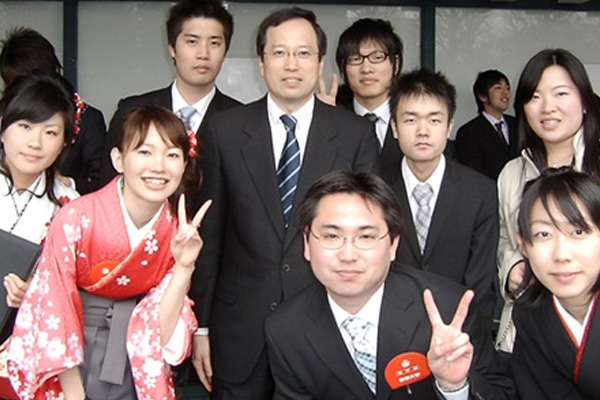
1. Why Study in Japan?
Exceptional Education Quality
Japan is renowned for its high-quality education system, particularly in fields such as Engineering, Technology, Science, Healthcare, and Business Management. Top universities like the University of Tokyo, Kyoto University, and Osaka University rank among the best globally. With a rigorous academic environment, modern facilities, and highly qualified faculty, studying in Japan equips students with solid knowledge and specialized skills.
Career Opportunities After Graduation
Japan is one of the world's largest economies and home to renowned corporations like Sony, Toyota, Panasonic, and others. International graduates in Japan have the chance to work for these global companies, both domestically and internationally. The Japanese government also offers job support policies for international students, making it easier to find employment after graduation.
Unique Culture and Safe Living Environment
Japan boasts a rich cultural heritage, from its cuisine to art, literature, and traditional festivals. International students can immerse themselves in Japanese culture in their daily lives. Additionally, Japan is known for its safety, with low crime rates, creating a secure environment for students to study and live.
2. Popular Fields of Study in Japan

Engineering and Technology
Japan leads in technology and engineering, particularly in robotics, automation, and information technology. Japanese universities offer prestigious programs in Mechanical Engineering, Electrical Engineering, Software Engineering, and Information Technology. Graduates in these fields have opportunities to build careers in Japan and with leading global tech companies.
Business and Management
For those pursuing careers in business, Japanese universities provide programs in Business Administration, Marketing, Finance, and Economics. Japan’s advanced economy offers numerous job opportunities in multinational companies. Business students in Japan gain practical knowledge that helps them integrate seamlessly into the workforce after graduation.
Japanese Language and Culture
If you love Japanese culture and want to learn the language, studying Japanese language and culture programs in Japan is an excellent choice. Besides language learning, students explore history, art, and the unique cultural values of Japan. This not only improves language proficiency but also deepens understanding of one of the world’s most fascinating cultures.
Healthcare and Life Sciences
With its advanced healthcare system and leading scientific research, Japan provides high-quality programs in Healthcare, Pharmacy, and Life Sciences. Students in these fields study in a professional environment, access modern medical technology, and engage in cutting-edge scientific research.
3. Requirements and Procedures for Studying in Japan
Admission Requirements
To study in Japan, students need a high school diploma or equivalent (for undergraduate programs) and a bachelor’s degree (for master’s programs). Japanese universities also require Japanese language proficiency certificates, typically the JLPT (Japanese-Language Proficiency Test) at level N5 or higher for some programs, though specialized programs may require a higher level.
Student Visa for Japan
International students need a student visa to study in Japan. The visa application process includes an acceptance letter from the university, proof of financial support for tuition and living expenses, and passing health and security checks. The visa process may take 1-3 months, so early preparation is essential.
Study Costs in Japan
The cost of studying in Japan varies depending on the university and location. Tuition ranges from 600,000 JPY to 1,200,000 JPY annually. Additionally, students need to budget for living expenses, including housing, food, transportation, health insurance, and other costs. The total cost of studying in Japan can range from 800,000 JPY to 1,500,000 JPY per year.
4. Career Opportunities After Graduation
Working in Japan
After graduation, international students can pursue employment in large Japanese or international companies. Japan consistently seeks highly skilled professionals in fields like technology, engineering, healthcare, and business. Government policies also support job-seeking for international students, providing opportunities to stay and work after graduation.
Global Career Opportunities
Graduates from Japanese universities are highly valued by international companies, especially in technology, scientific research, and business fields. Studying in Japan opens up opportunities to work not only in Japan but also in various global markets.
5. Conclusion
Studying in Japan in 2025 offers international students opportunities to learn, explore culture, and develop their careers. With its top-notch education system, diverse career prospects, and safe living environment, Japan is an ideal destination for those seeking a memorable study-abroad experience. Thorough preparation regarding procedures, costs, and study requirements will ensure a smooth and successful study journey.